
28 July, 2026
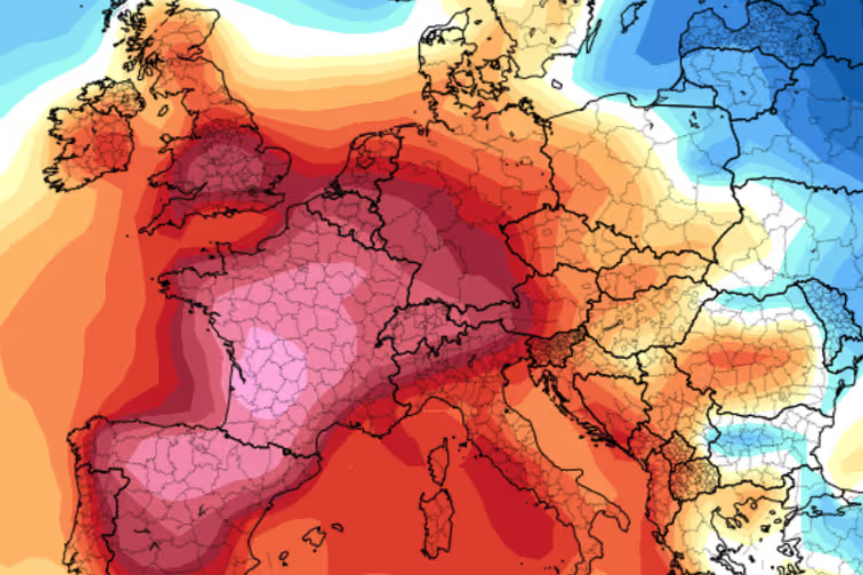
Industry, transport and households need reliable energy supply to guarantee operations, including continued supply during periods of extreme cold or heatwaves, such as has been experienced recently in Europe. The gas grids offer this in two ways – high reliability and stepping up when the electricity grid cannot cope.
Gas grids across Europe are structurally robust and offer very reliable gas supply; for example, Stedin (a Dutch electricity and gas DSO) reported gas supply interruptions of a total 38 seconds to over 2M customers in 2025, compared to 23 minutes for electricity. Apart from highly professional people and systems, this is also due to the gas networks operating with more stable sources, large volumes of linepack, being buried infrastructure and therefore less affected by weather and physical damage. This will be the same for hydrogen delivered through the distribution grids.
Normally peak gas demand occurs during cold winters for residential heating but also spike in extremely hot weather. Over the last few weeks many temperature records were broken across Europe with temperatures up to 44C, causing severe strain on the power grid. The heat caused electricity demand spiking up to 14%, solar panels to becoming overheated (and up to 15% less efficient), and nuclear and thermal plants struggle to operate mainly due to lack of cold water for cooling (France curtailed 9.2 GW in one week). This in turn triggered significant electricity price volatility between 0 €/MWh during the day to over 1,000 €/MWh in the evening. In contrast, most gas infrastructure is buried and therefore insulated from the effects of a heatwave, and the pipeline network holds large volumes of gas as linepack to provide buffer storage.
Gas supplies were able to act as the ultimate energy storage battery through linepack and shock absorber in this situation. Apart from continued gas supplies, gas-fired power stations - that provide a base electricity production of 14% across Europe - were used to fill the peaks in electricity demand and balance evening daily fluctuations.
We should not plan the decommissioning of any part of Europe’s energy infrastructure until the full value chain, all the known risks, and the reliability of the energy network is fully understood. The role of the gas grid in delivering renewable gases, such as biomethane and hydrogen is a crucial part of this.
